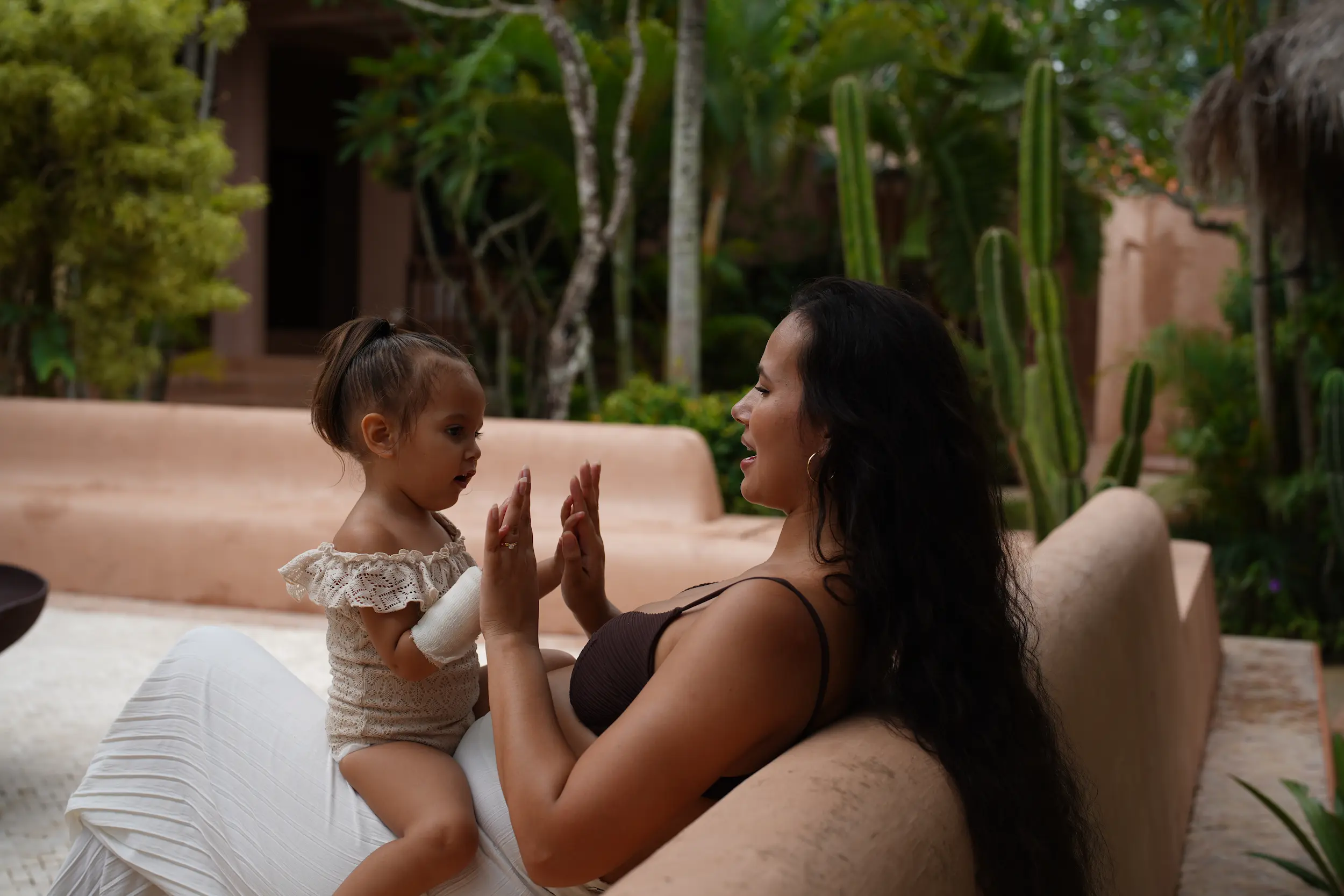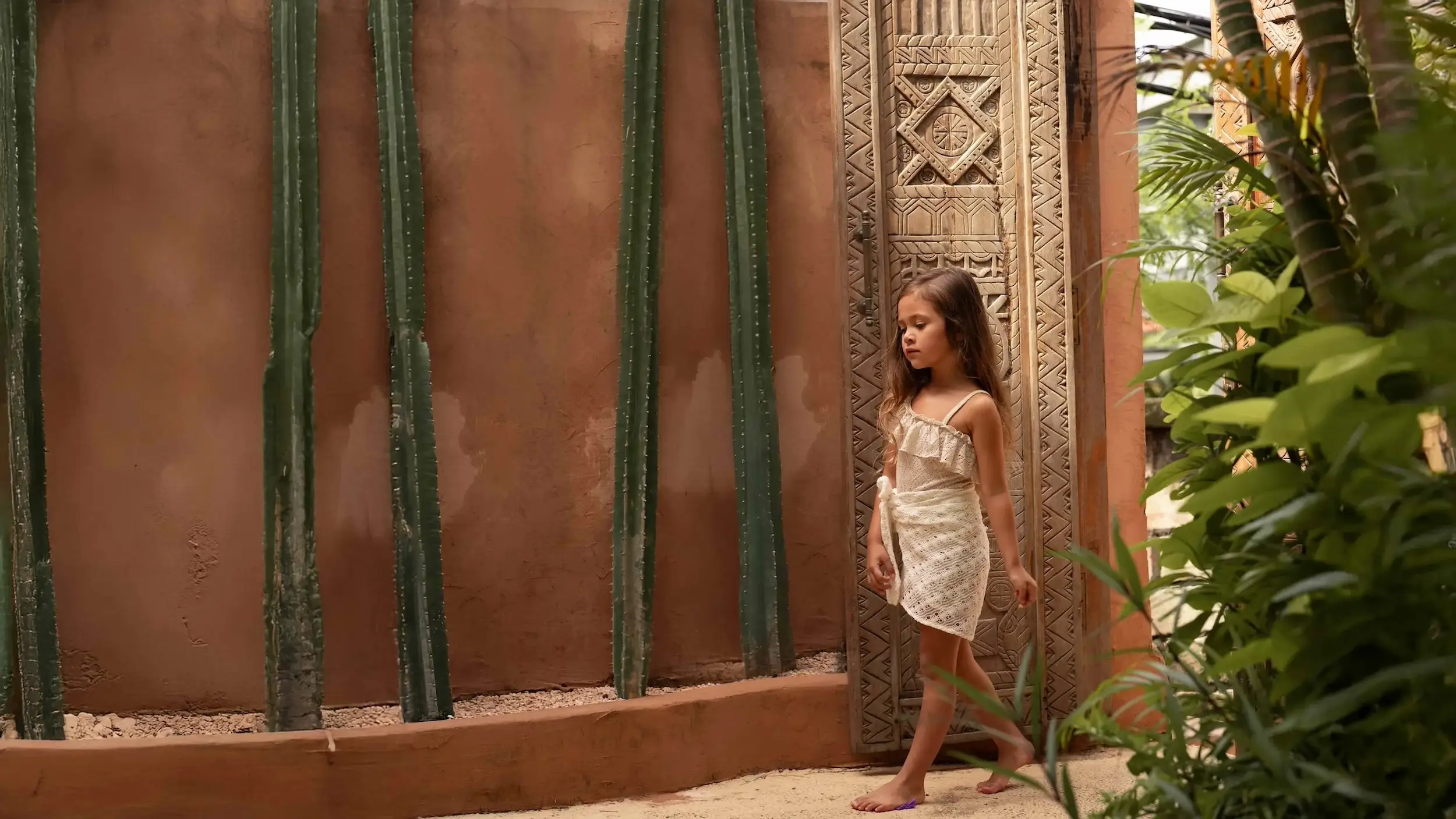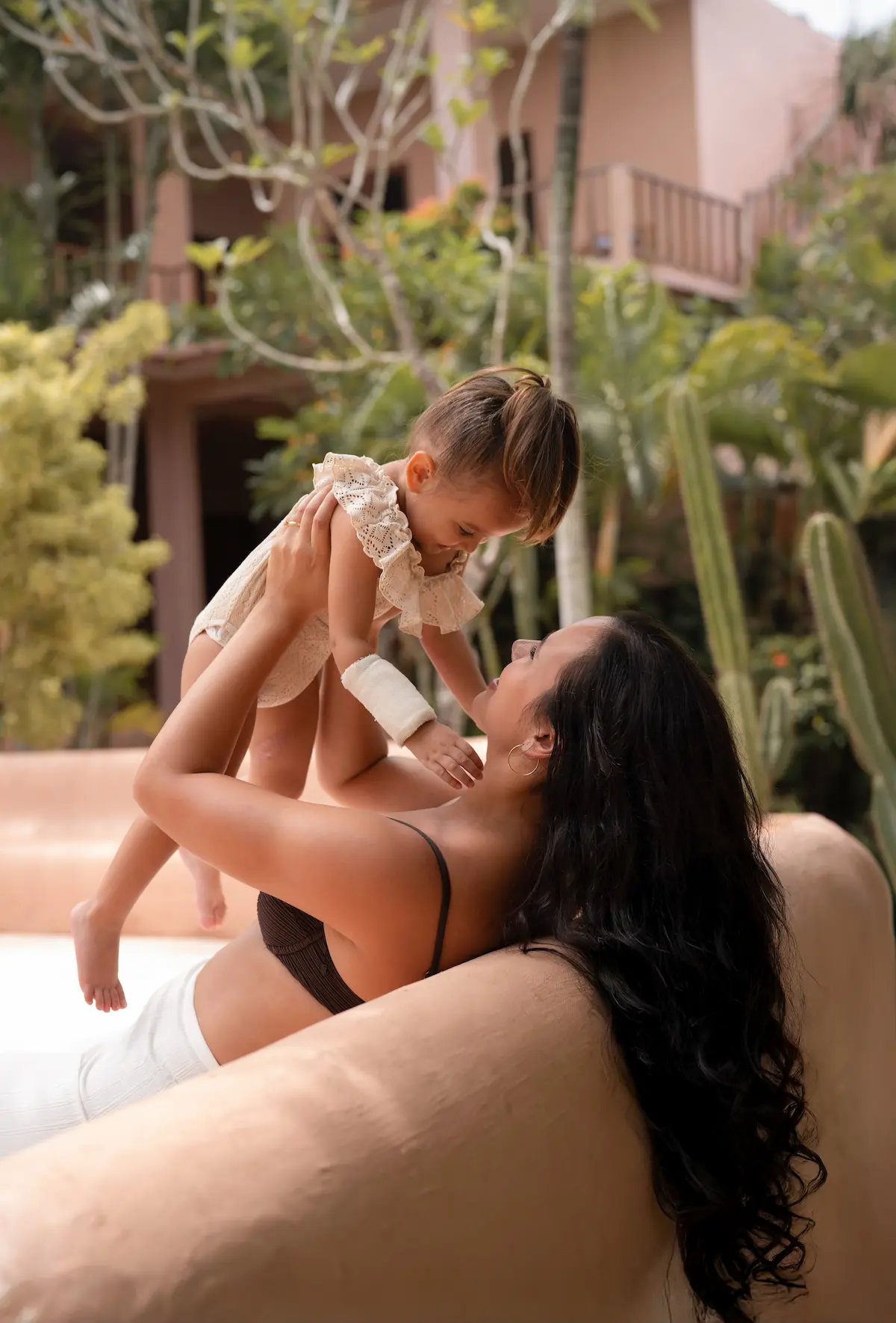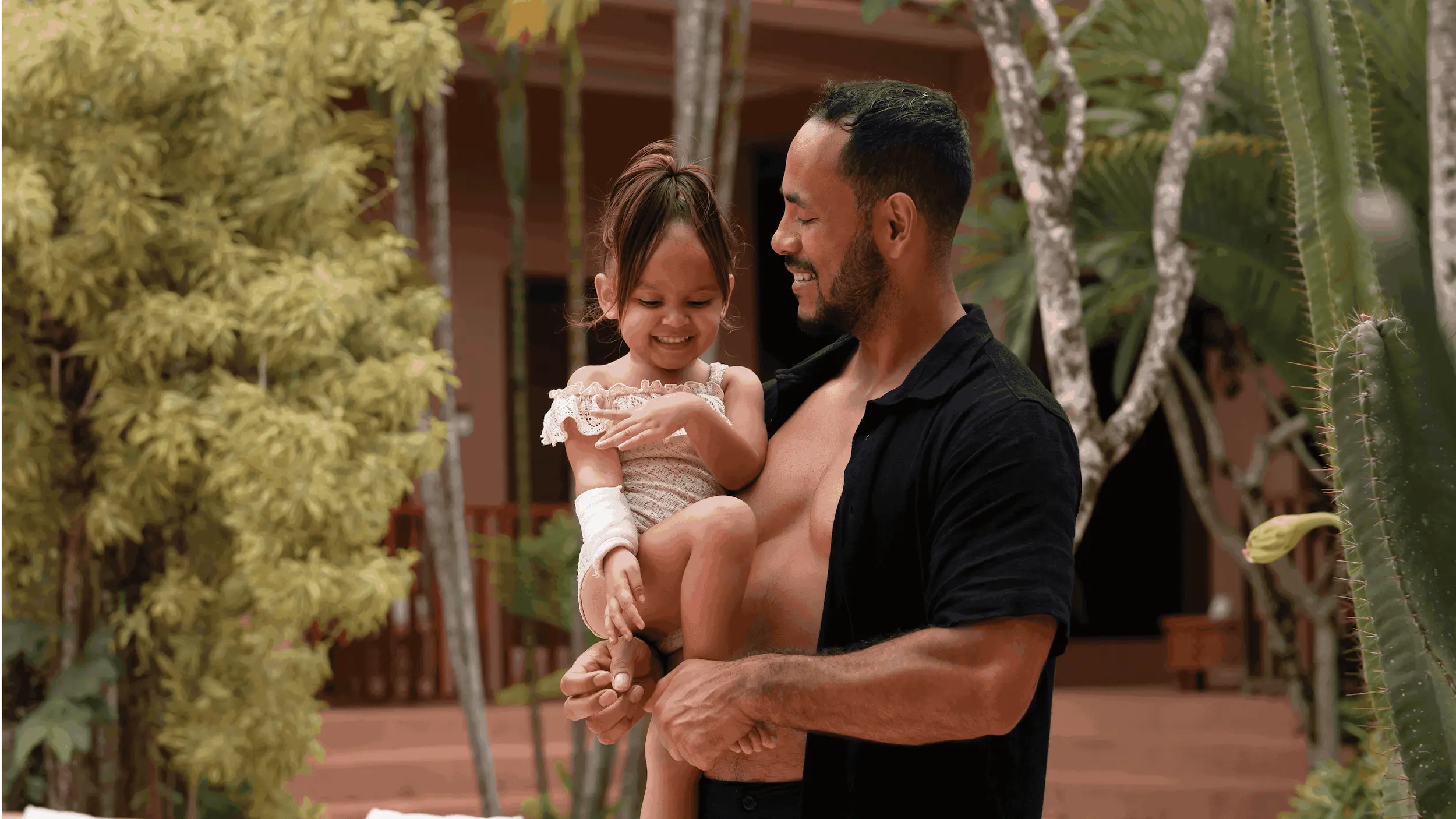
We used to move fast. Six countries in eight weeks, suitcases half-unpacked, children sleeping in the car between airports. We made content. A lot of it. And almost none of it felt like us.
There is a version of family travel content that looks spectacular on a highlights reel and feels hollow when you try to remember it a year later. We made that content for a while. The perfectly timed sunrise shot with all five of us facing away from the camera. The drone pass over yet another beach. The fast edit set to trending audio. The views were good. The feeling was not.
At some point — we think it was week four of a nine-week trip through Southeast Asia — our twelve-year-old, Rico, said something that stopped us both mid-conversation. He said: "I don't actually know what this place smells like. We're always leaving."
What slowing down actually costs
The fear with staying longer is that you'll run out of content. That without constant movement, the feed goes quiet and the algorithm forgets you exist. This is the anxiety that keeps creators perpetually in transit, chasing the next location before they've understood the current one.
What we found, when we spent three weeks in one place instead of three days, was the opposite. The first week, we shot the obvious things — the landmark, the pool, the wide landscape at golden hour. By week two, we were finding the things nobody else had photographed: the way the light hit the back wall of a particular warung at 4pm, the route the local kids took home from school that cut through a rice field nobody had thought to frame.
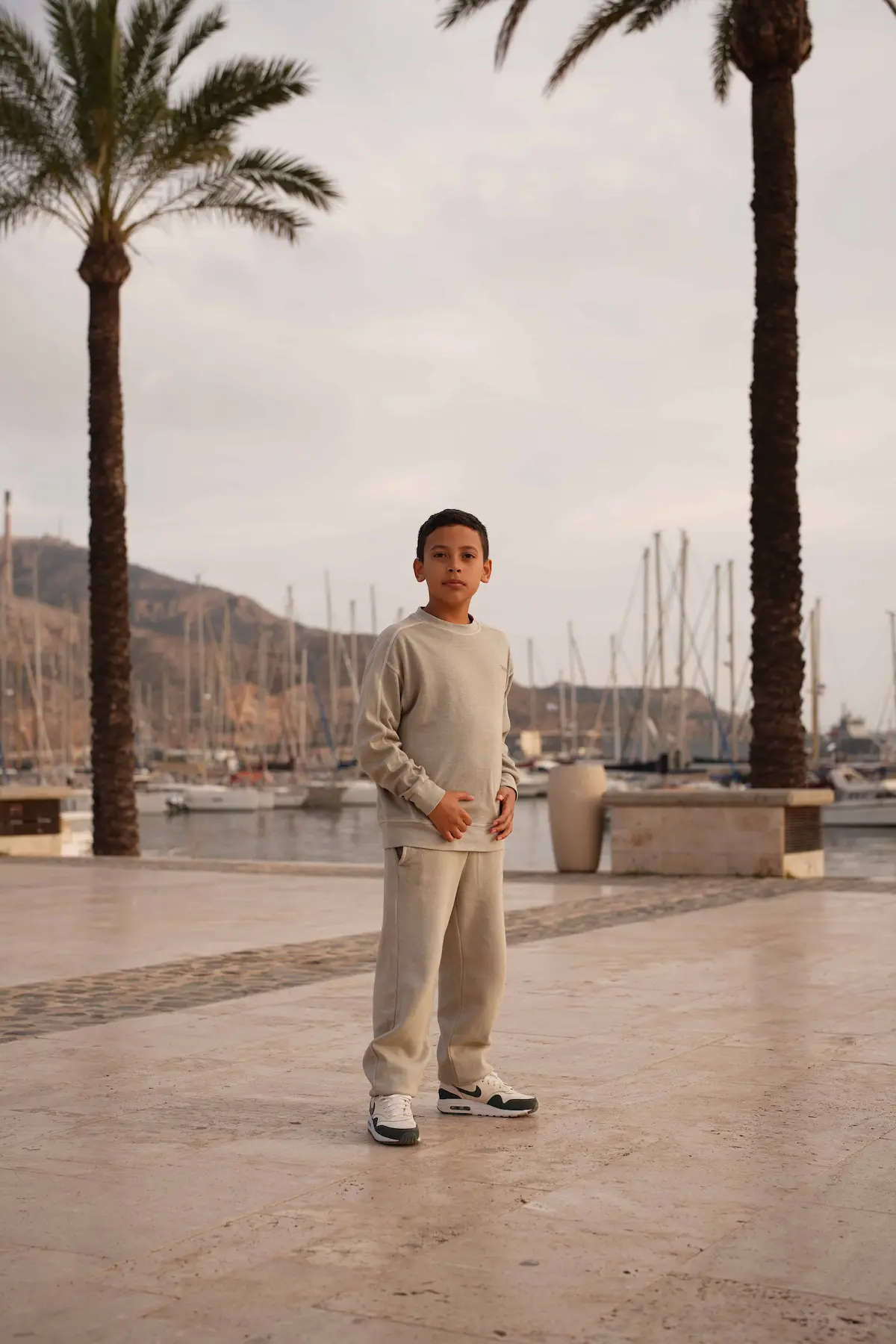
By week three, the destination was trusting us. That sounds abstract, but it's a real phenomenon. When you're present long enough, people stop performing for your camera. The resort staff stop straightening things before you arrive. Your children stop looking at you to confirm whether a moment is worth remembering.
What the brands actually get
When we work with luxury hotels and tourism boards, we now always push for longer stays. Not because we want a holiday — we're working harder when we're still, not less — but because the content that comes from week three is categorically different from what you get in a two-day shoot.
"The content that moves people isn't made on arrival day. It's made when you forget you're supposed to be making content."
Two days gives you the brochure. Three weeks gives you the story. And in 2026, with audiences more sceptical than they've ever been about polished, fast-produced content, the story is what converts.
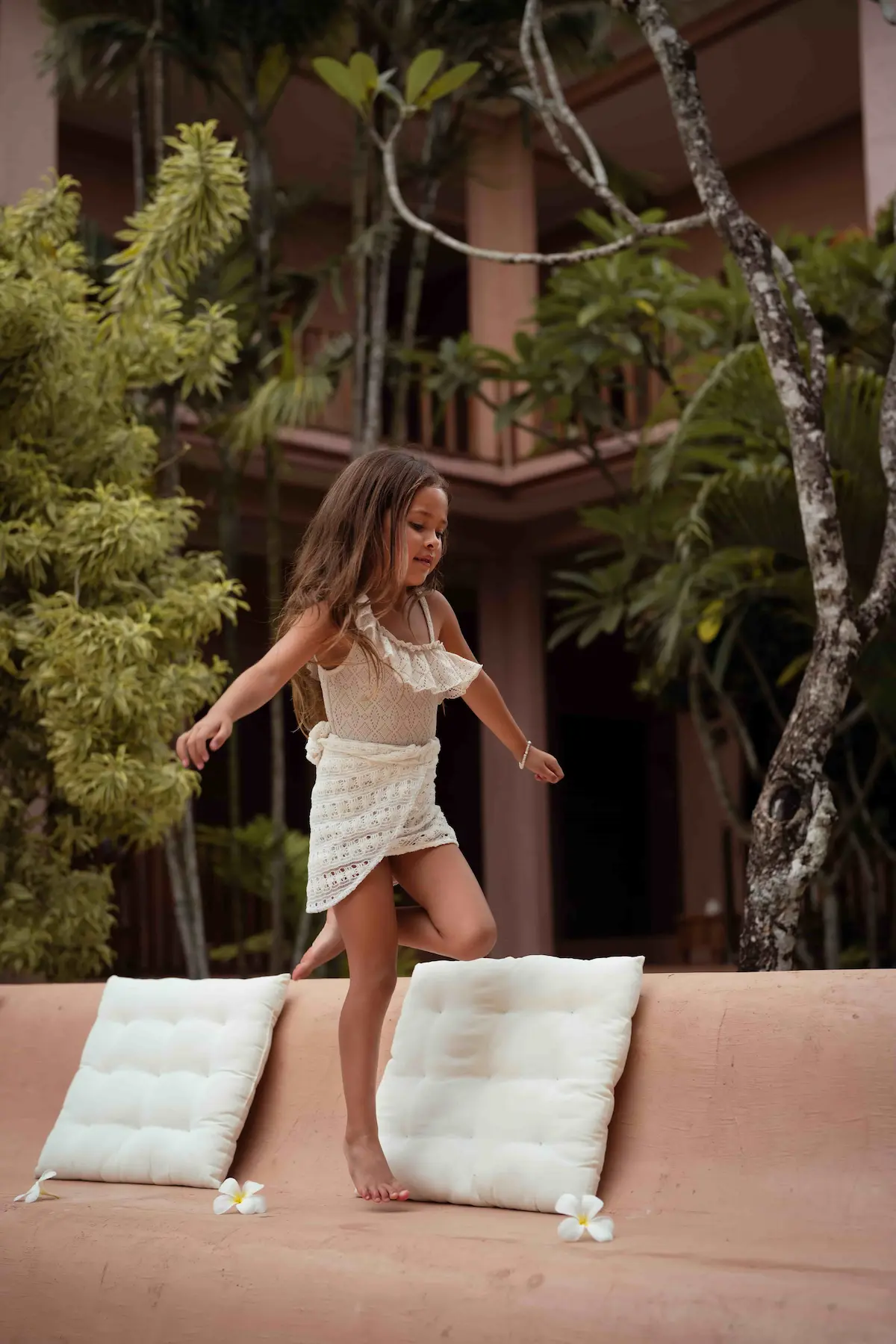
We're not romanticising slowness for its own sake. Speed has its place. A fast-turnaround social asset still matters. But the anchor content — the film that explains why a place exists, the image that makes someone book — that requires time. And for a family of five, time is what we've decided to spend generously.
Rico knows what that place smells like now. We have the images to prove it.