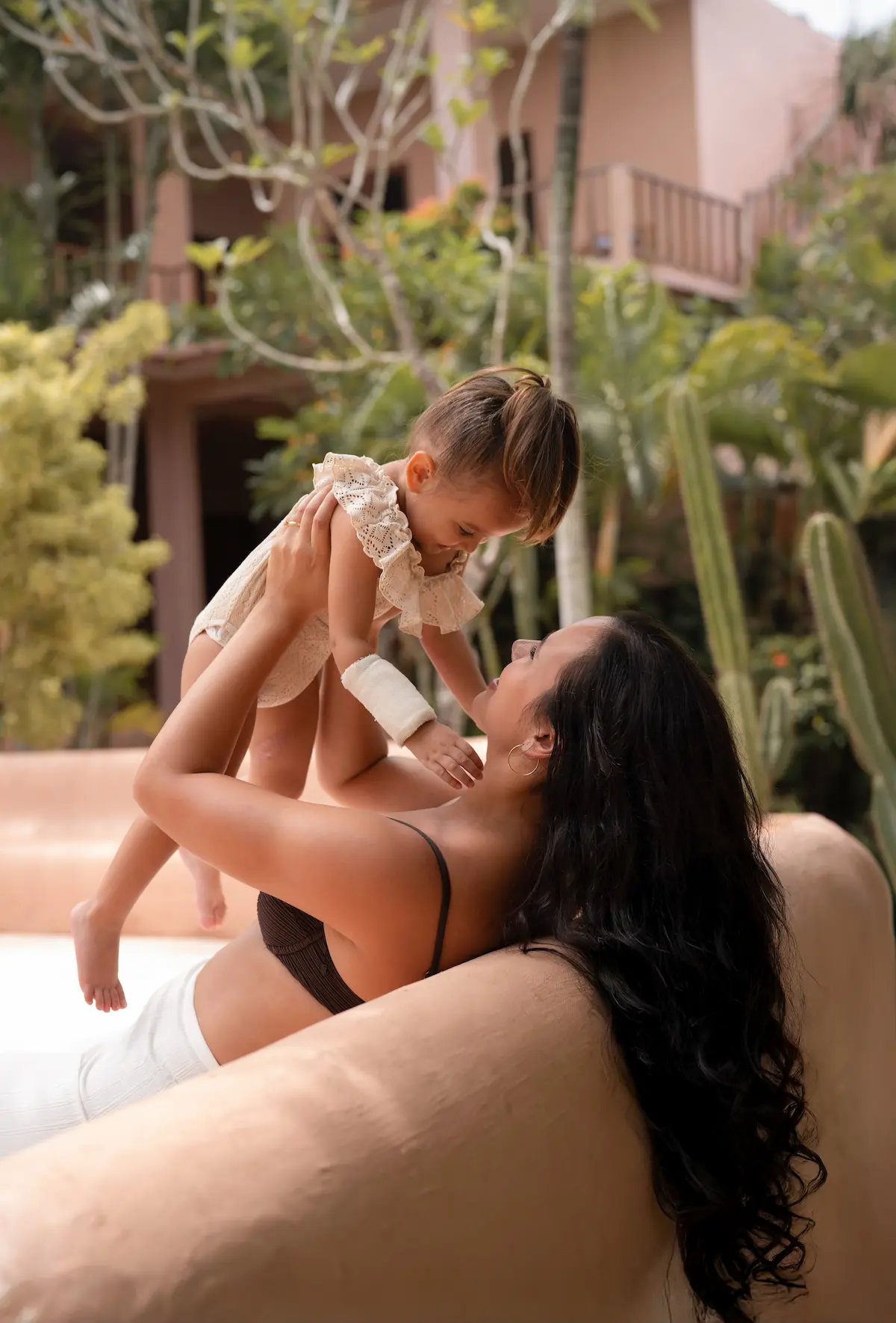
People ask us this constantly, and the honest answer is that we don't have a method so much as a philosophy. The method changes depending on the child, the mood, the light, and how much sleep everyone got the night before. The philosophy doesn't.
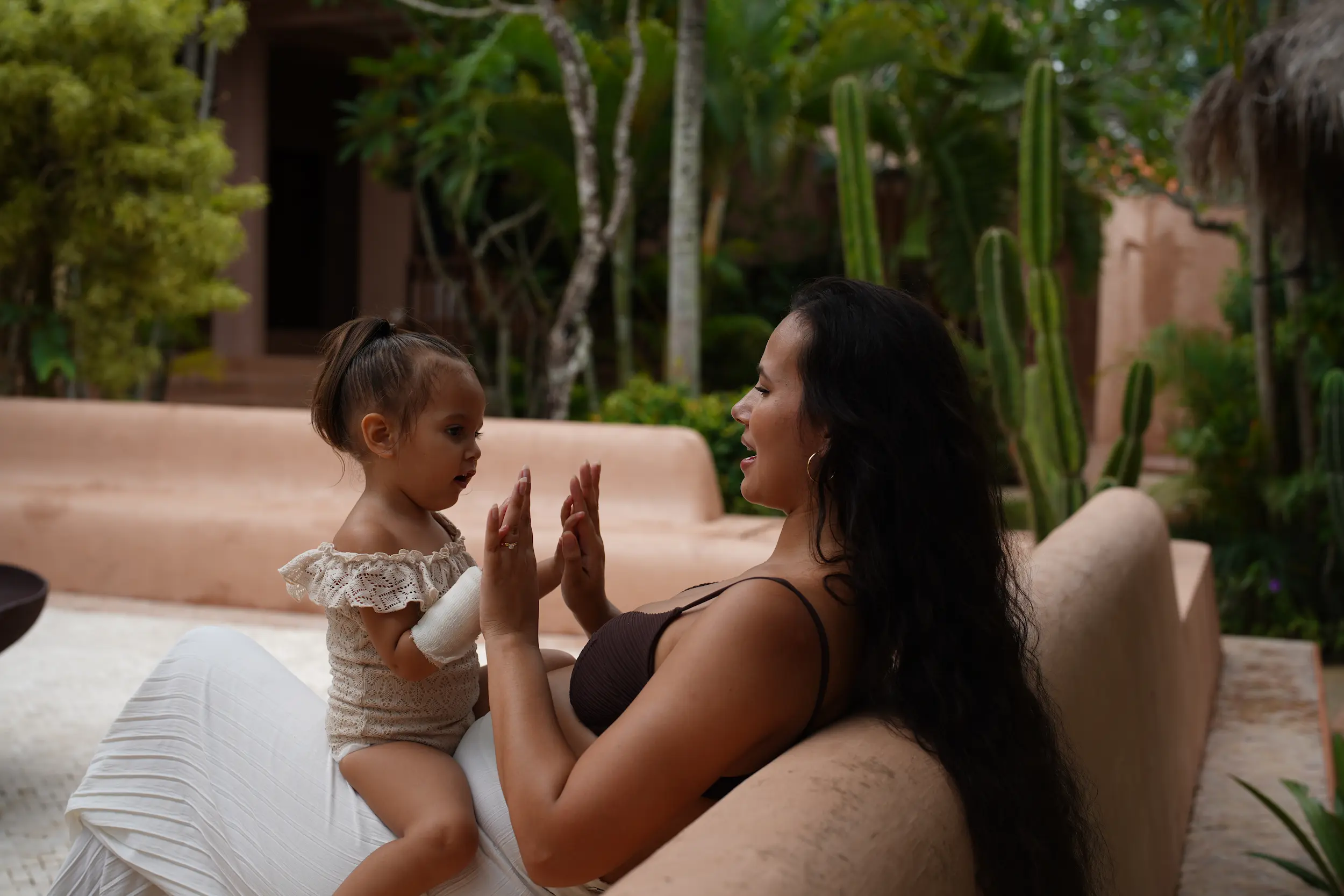
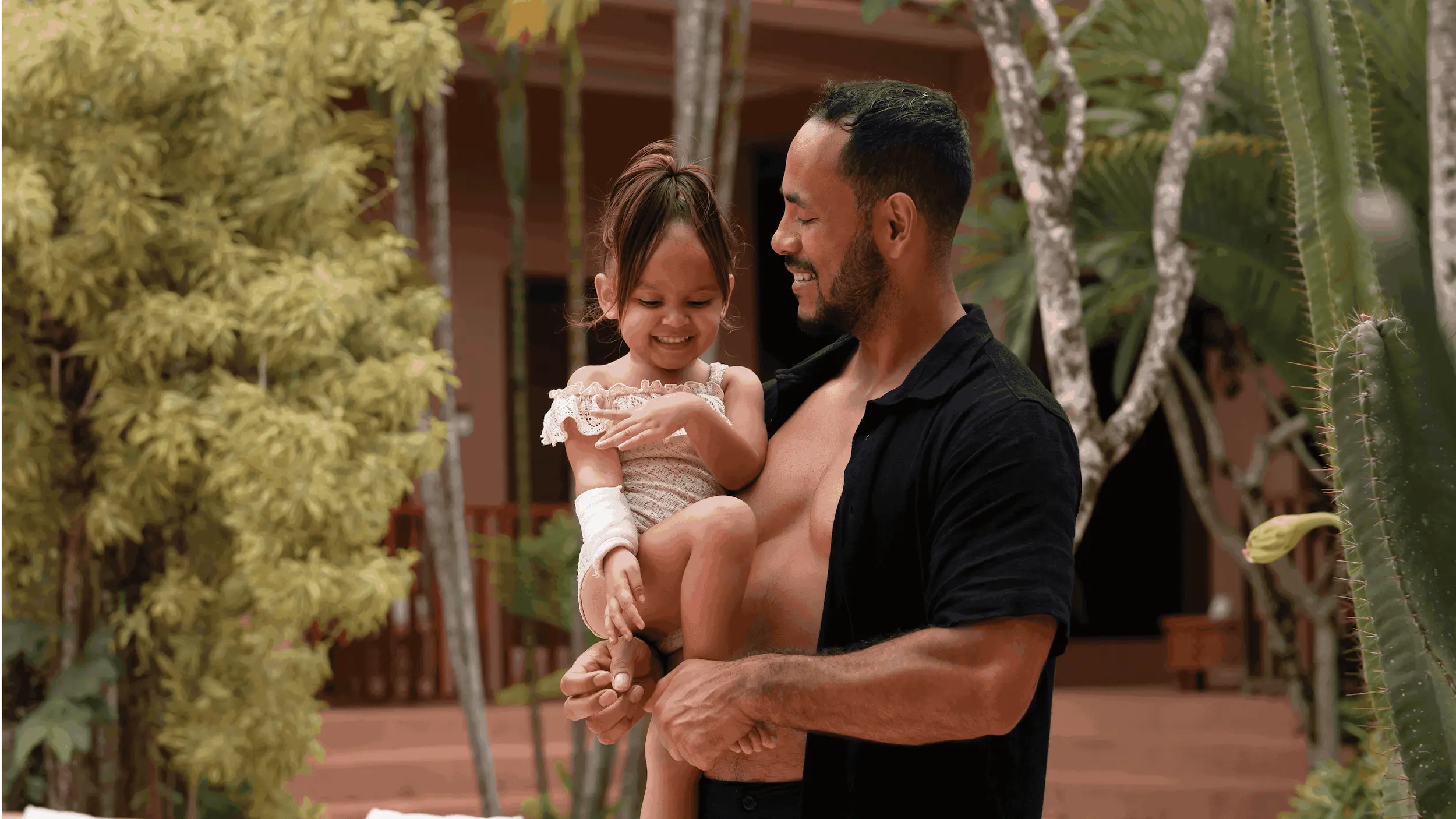
There is a particular kind of photograph that most family photographers are chasing without knowing it: the one where everyone in the frame has forgotten that the camera exists. It is the hardest image to make and the easiest to recognise. When you see it, something in you responds before you've consciously processed what you're looking at. The eyes give it away — the direction of the gaze, the degree of relaxation around the mouth, the quality of attention the subject is paying to something other than the lens.
Children are better at forgetting the camera than adults, but not automatically. They need to be helped into forgetting it. And the way you help them is not with technical tricks or distraction techniques — it's with consistency and restraint.
The camera as furniture
Our children have grown up with a camera in the room. Not pointed at them constantly — but present. The camera sits on the table during breakfast. It comes on the walk. It appears and disappears without event. Over time, and this process took years not days, it has become furniture. A thing that is there and sometimes makes a sound, like a chair that occasionally scrapes.
When the camera is furniture, the moment of picking it up is not an announcement. There is no readjustment, no performer's instinct to present a face. You pick it up and whatever is happening continues to happen. That is the entire trick, and it requires patience that no workshop teaches.
The practical framework: give them something real to do
When we do need to direct — which happens on client shoots where the children are part of the brief — the rule is: never ask them to perform an emotion. Instead, give them a task. A real one, not a mime.
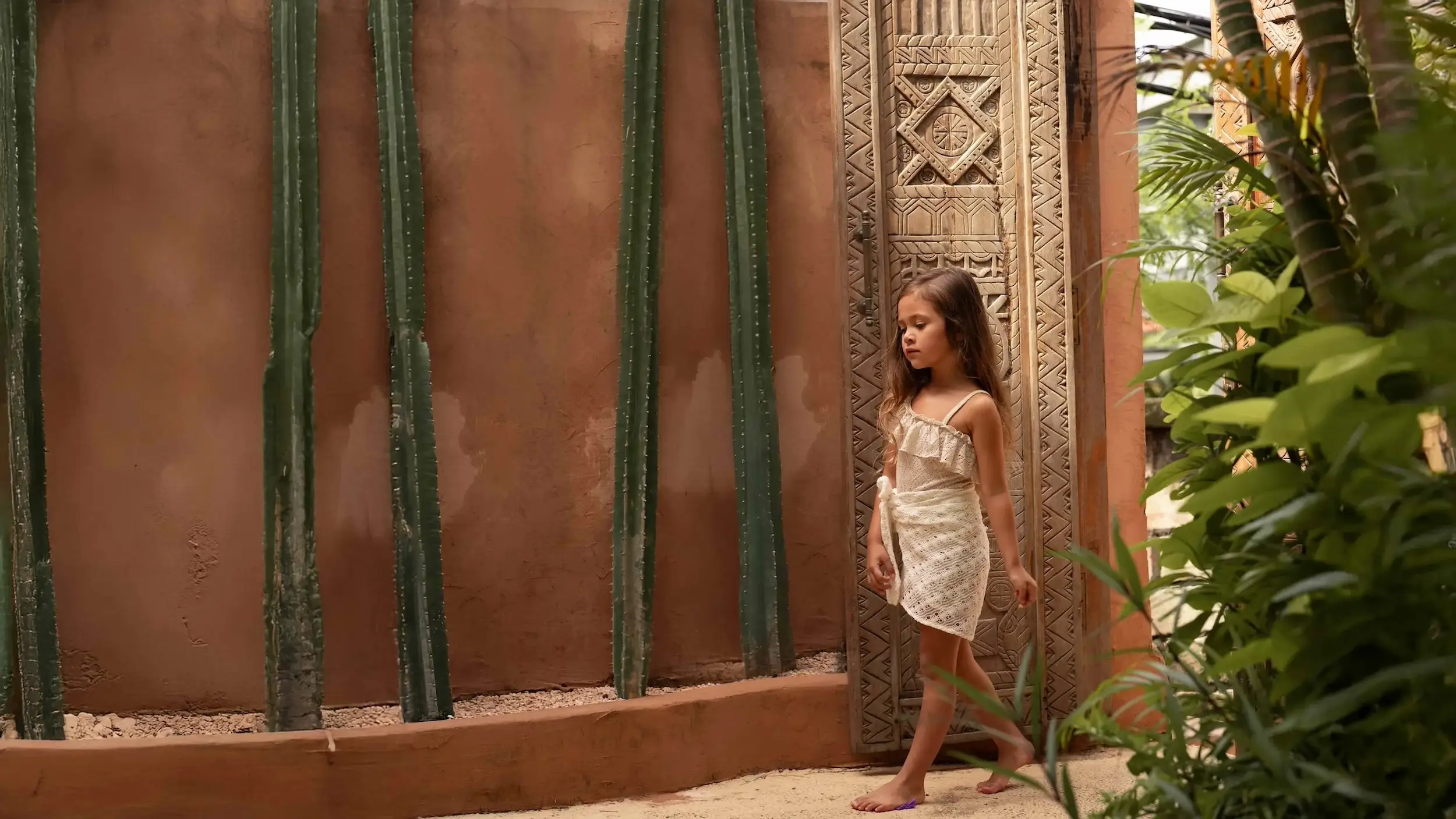
Ask a five-year-old to "look happy" and you get a performance that reads as performance in every frame. Ask a five-year-old to find the biggest shell on the beach and you get concentration, discovery, the small private satisfaction of succeeding at something. The camera catches what's real because something real is happening.
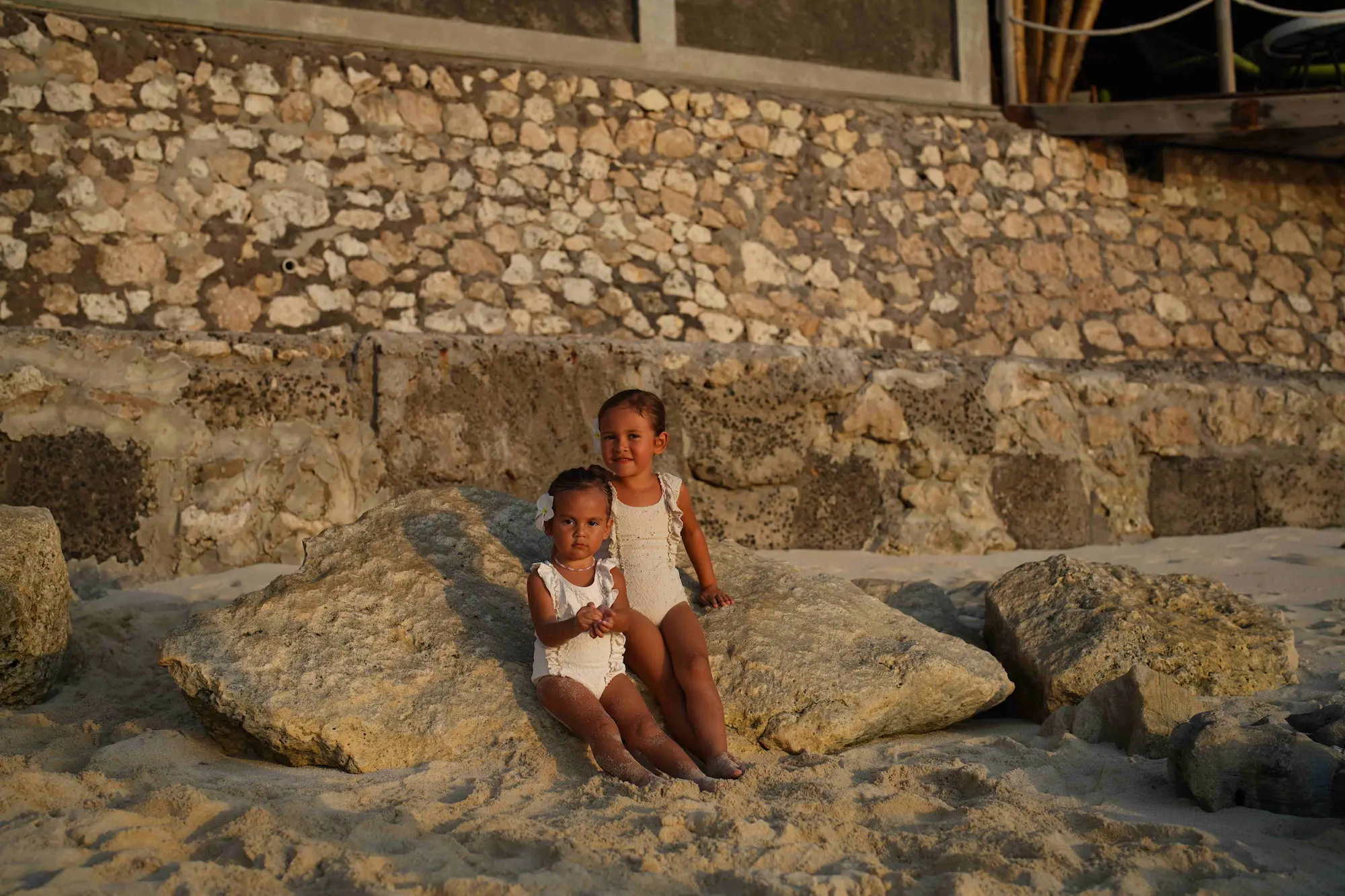
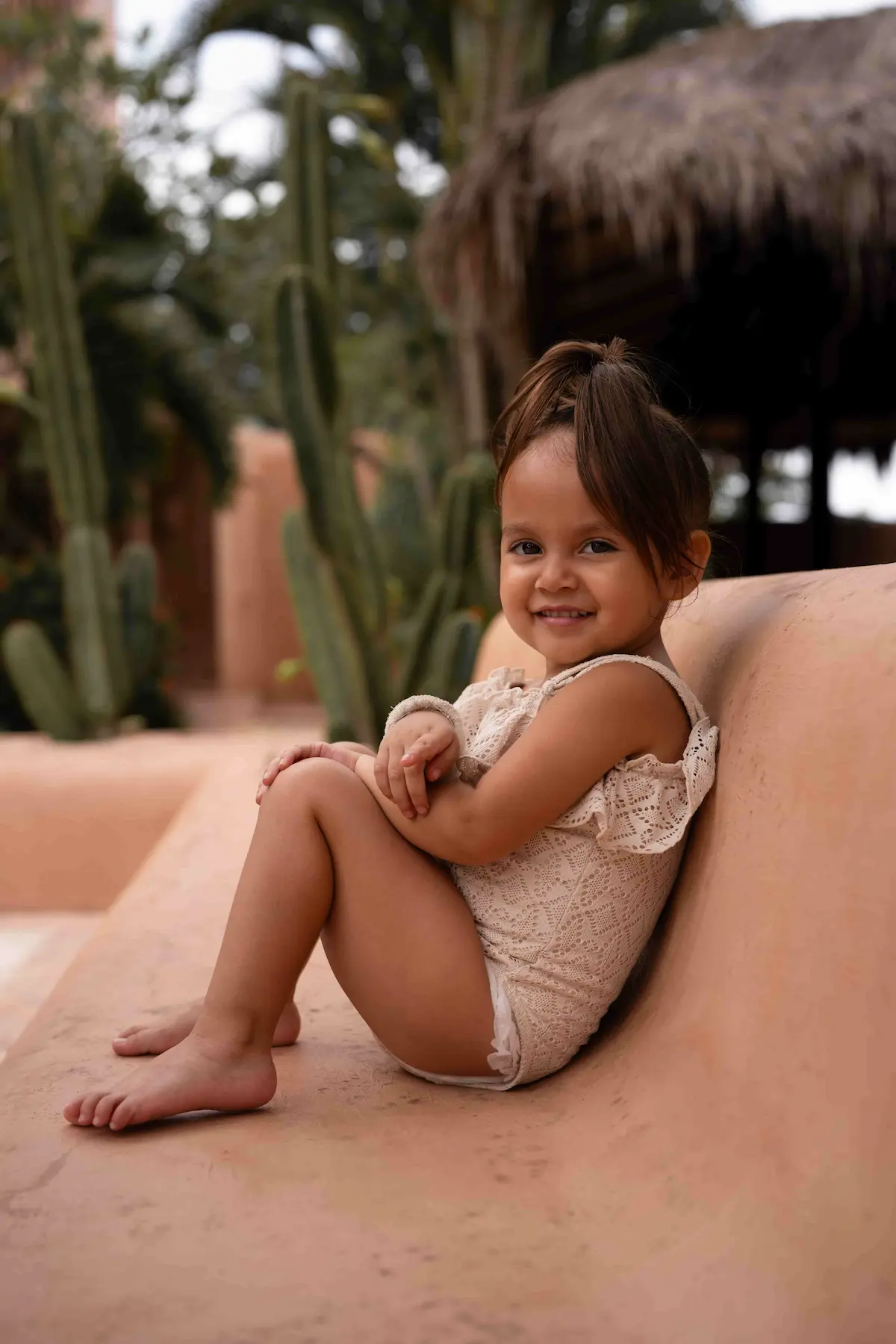
For younger children — Rosa is two, which is its own particular creative challenge — the method is simpler still. Place them in the environment and photograph the environment they're creating. Follow the interest, not the composition. The composition finds itself when you're watching the right thing.
"Stop asking children to feel things for the camera. Give them something worth paying attention to and photograph their attention."
What this means for family lifestyle and hospitality work
When we work with hotels and resort brands, the children are part of the brief — not props within it. The difference matters. A child performing luxury looks unconvincing. A child genuinely at ease in a beautiful space looks like what it is: proof that the space delivers on what it promises.
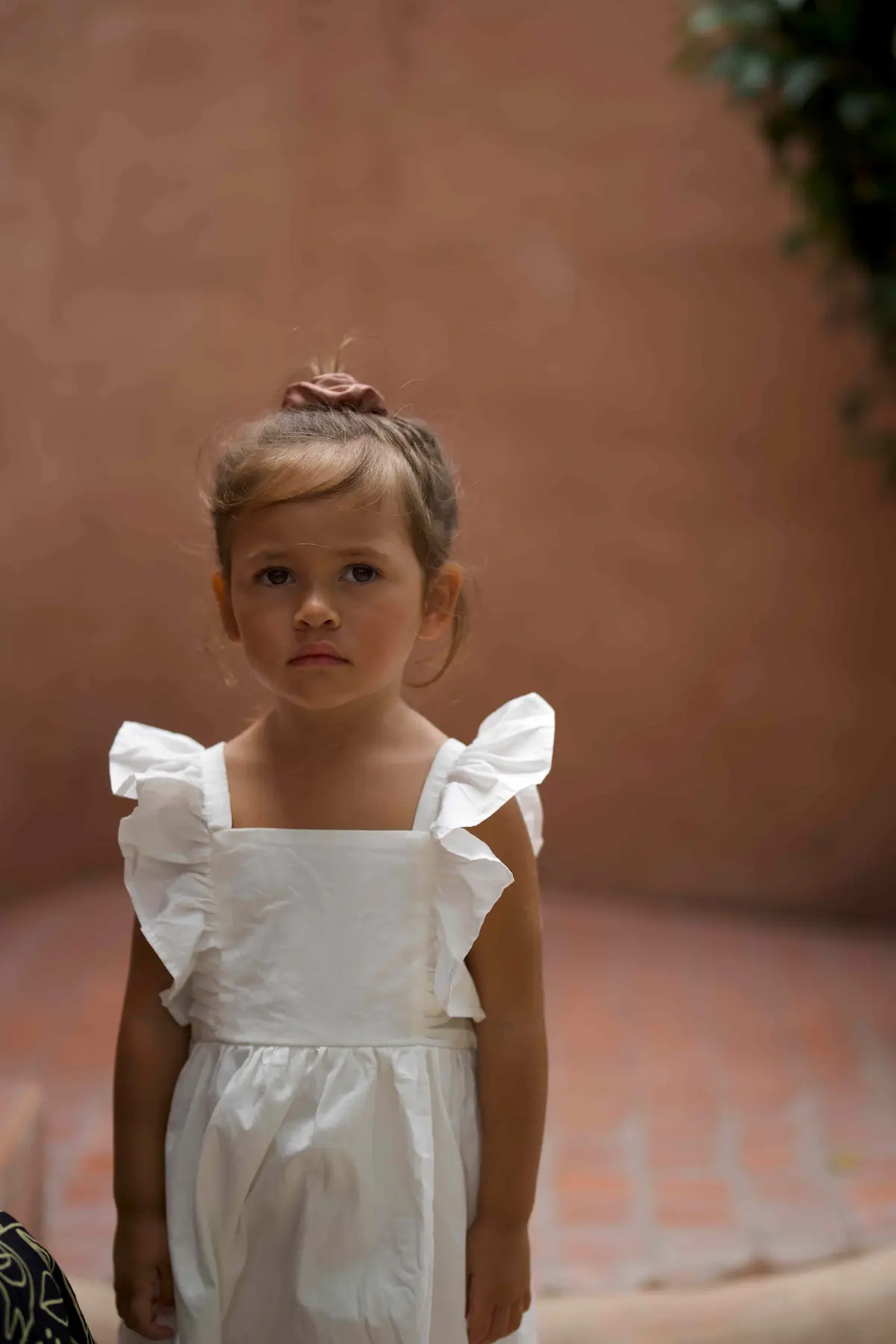
The techniques we've described — furniture presence, real tasks, following interest — are the same ones that make our commercial work convincing. They are not tricks for managing children on a shoot. They are a philosophy about how to find truth in a photograph, and they apply whether your subject is two years old or forty-two.
The best family image you will ever make will not happen when everyone is ready. It will happen in the five minutes before you thought you'd start, when someone is doing something small and private and entirely themselves. Keep the camera nearby. Pick it up slowly. And don't say anything.