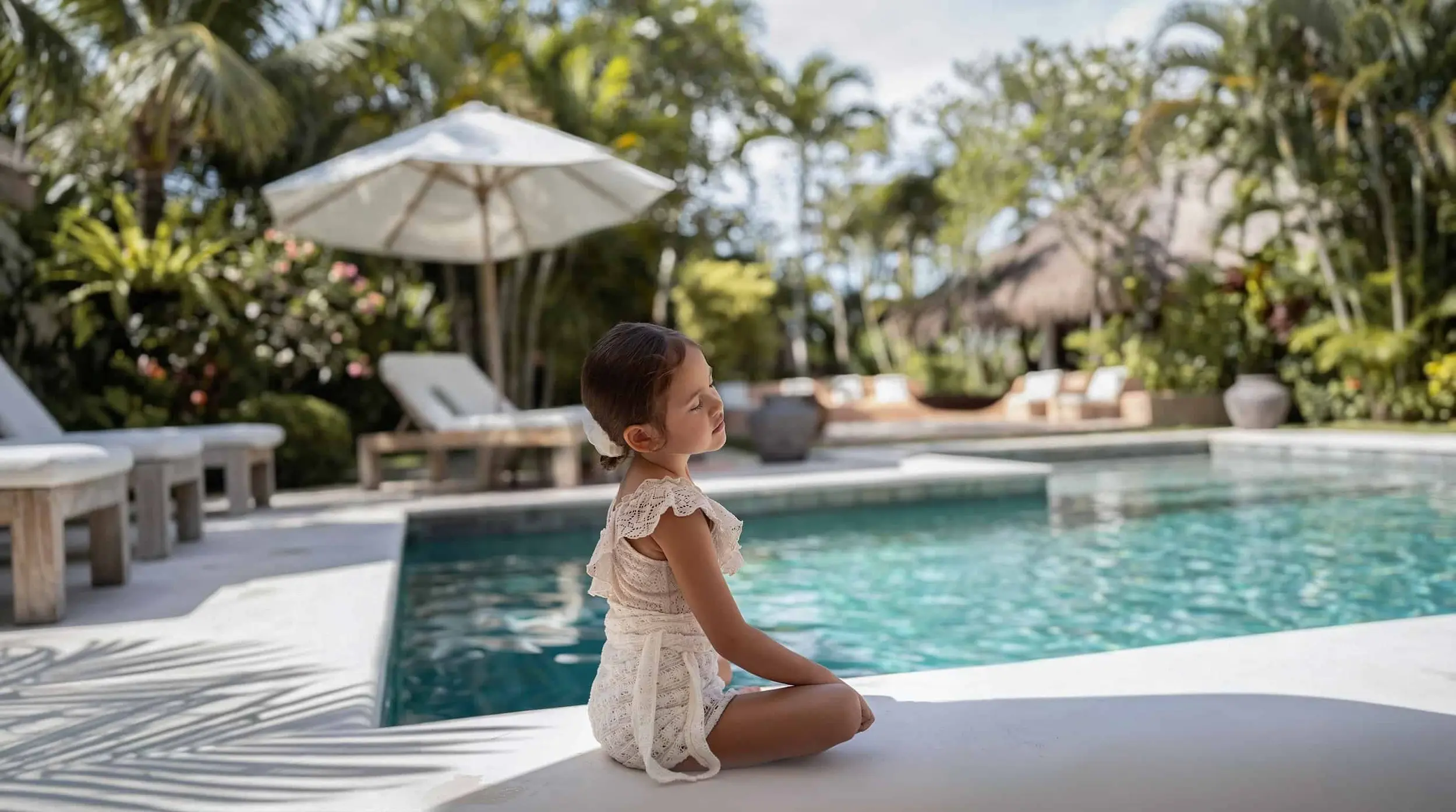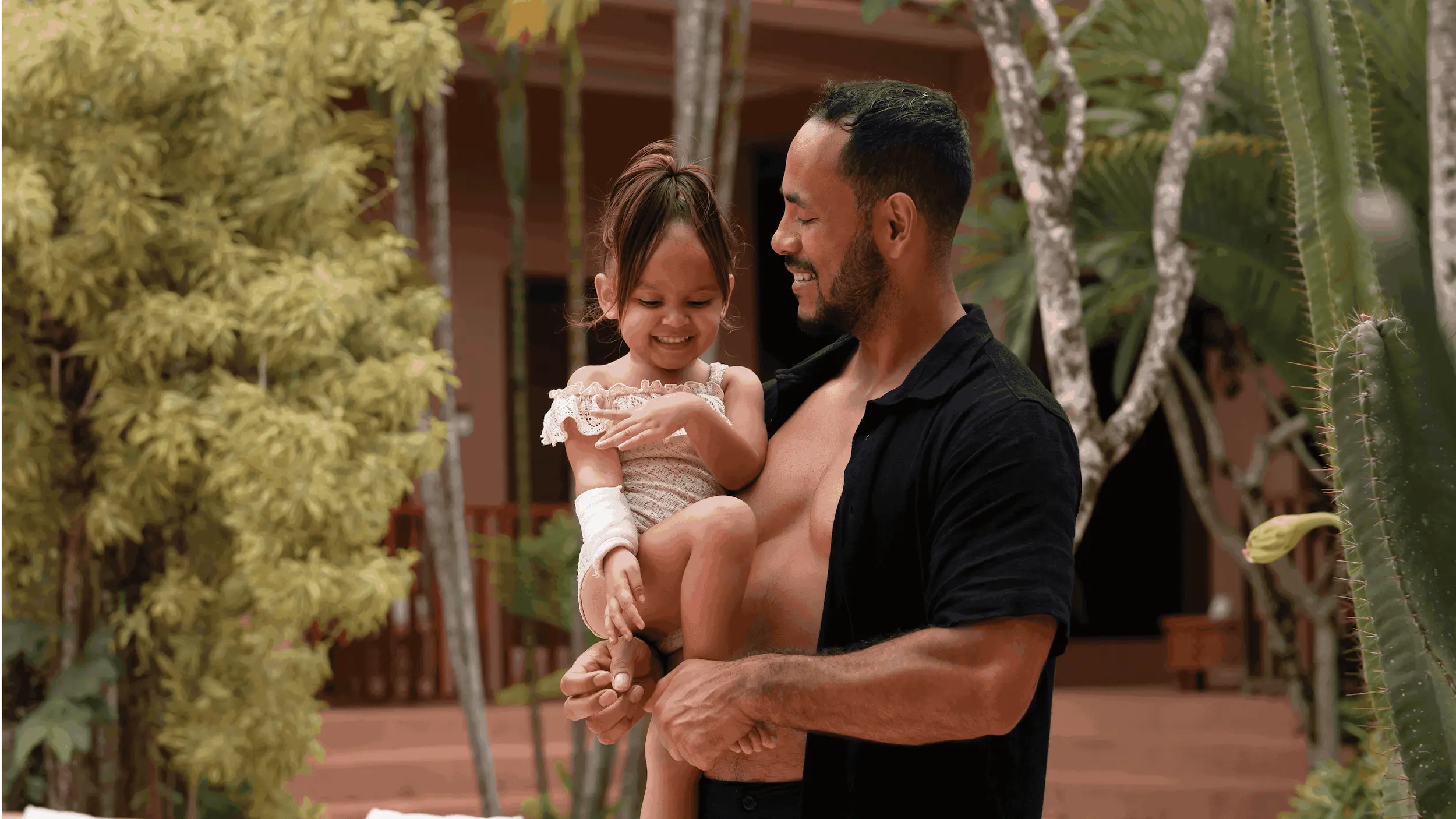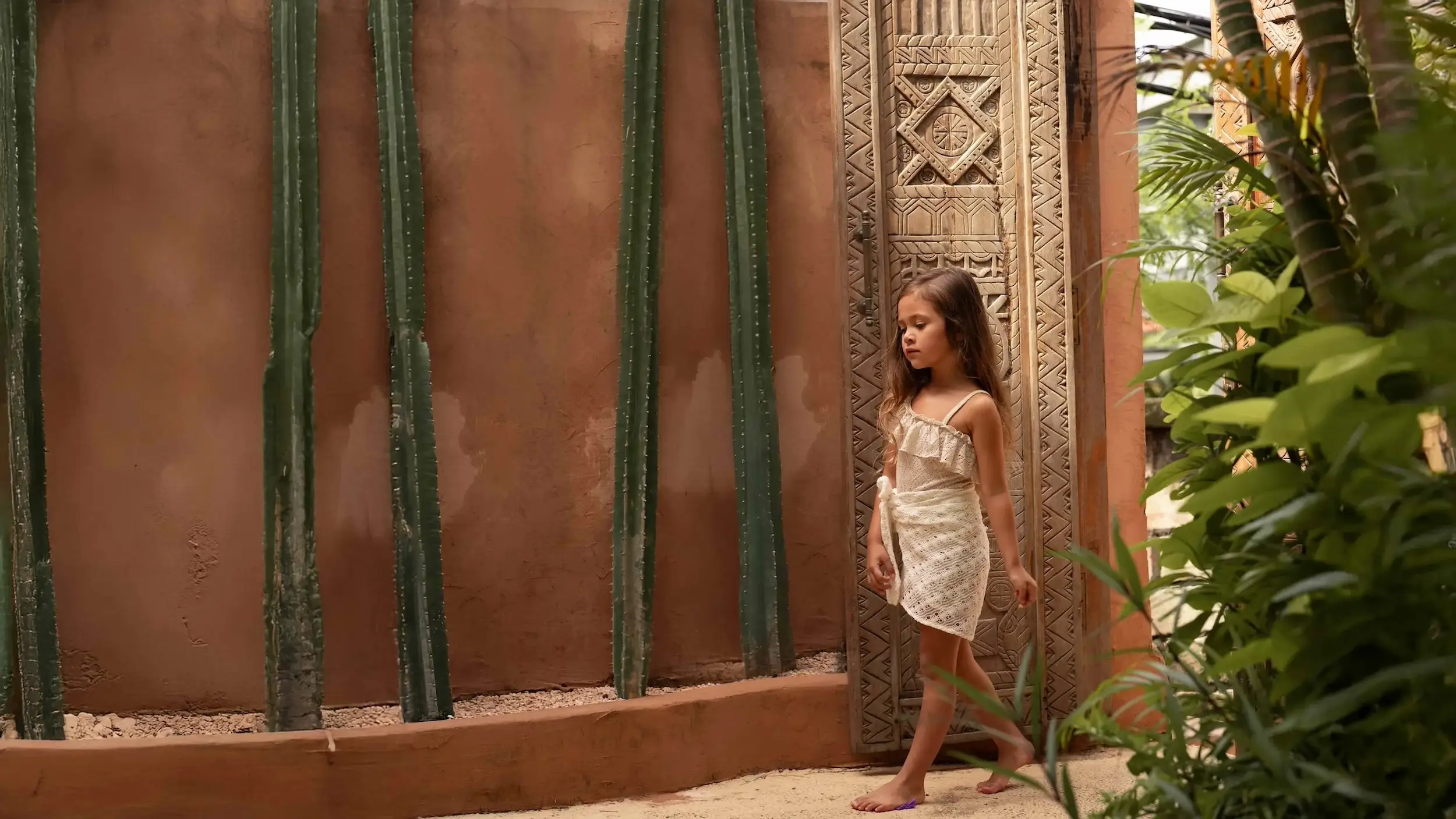
There is now a generation of travellers who have developed a fluency in spotting AI-generated imagery that most marketing departments have not yet caught up with. They cannot always name what feels wrong. But they feel it — and they stop trusting the brand that caused the feeling.
The problem with AI-generated travel imagery is not that it looks bad. The newest generation of image models produces output that is technically spectacular. Perfectly exposed, optimally composed, with the kind of flawless light that real locations only achieve for minutes a day. That is exactly the problem.
Human vision evolved to detect the presence of other humans in images with extraordinary sensitivity. We read the authenticity of a scene through dozens of micro-signals — the slight motion blur on a child's hand, the way a shadow doesn't quite match the light source, the subtle incorrectness of how fabric behaves on a body in motion. AI imagery passes the technical tests and fails the human ones.
What the authenticity backlash actually looks like in data
Tourism boards and hotel groups that have experimented with AI-generated imagery for social content have reported a consistent pattern: initial reach numbers hold, but saves, comments, and conversion signals collapse. The content performs in the algorithm and fails in the mind of the potential guest.
Meanwhile, content featuring real guests, real families, and real moments — even when technically imperfect — continues to outperform in all downstream metrics that matter: time on page, direct bookings, and the single most valuable metric in hospitality marketing: the saved post that becomes a booking six months later.

Why a family of five is the most credible subject in travel content
A lone traveller in a landscape is plausibly a model. A couple on a beach is plausibly staged. A family of five — with a twelve-year-old who looks like he'd rather be somewhere else and a two-year-old who is doing something unplanned in the foreground — is not something an AI constructs convincingly. It is too specific. Too honest. Too alive.
When we photograph destinations and properties with our family in frame, we are providing a form of visual proof that no amount of generation can replicate. A destination that a real family chose to visit, stayed long enough to know, and documented from the inside out is a destination that carries implicit endorsement at a level that advertising cannot purchase.
"AI can generate the perfect destination. Only a real family can prove that it was worth going to."
This is not nostalgia for analogue processes. We use AI tools in our workflow — for editing, for transcription, for scheduling. But the image itself — the moment of light meeting subject meeting place — has to be real. There is no shortcut to that, and in 2026, the audience knows it.
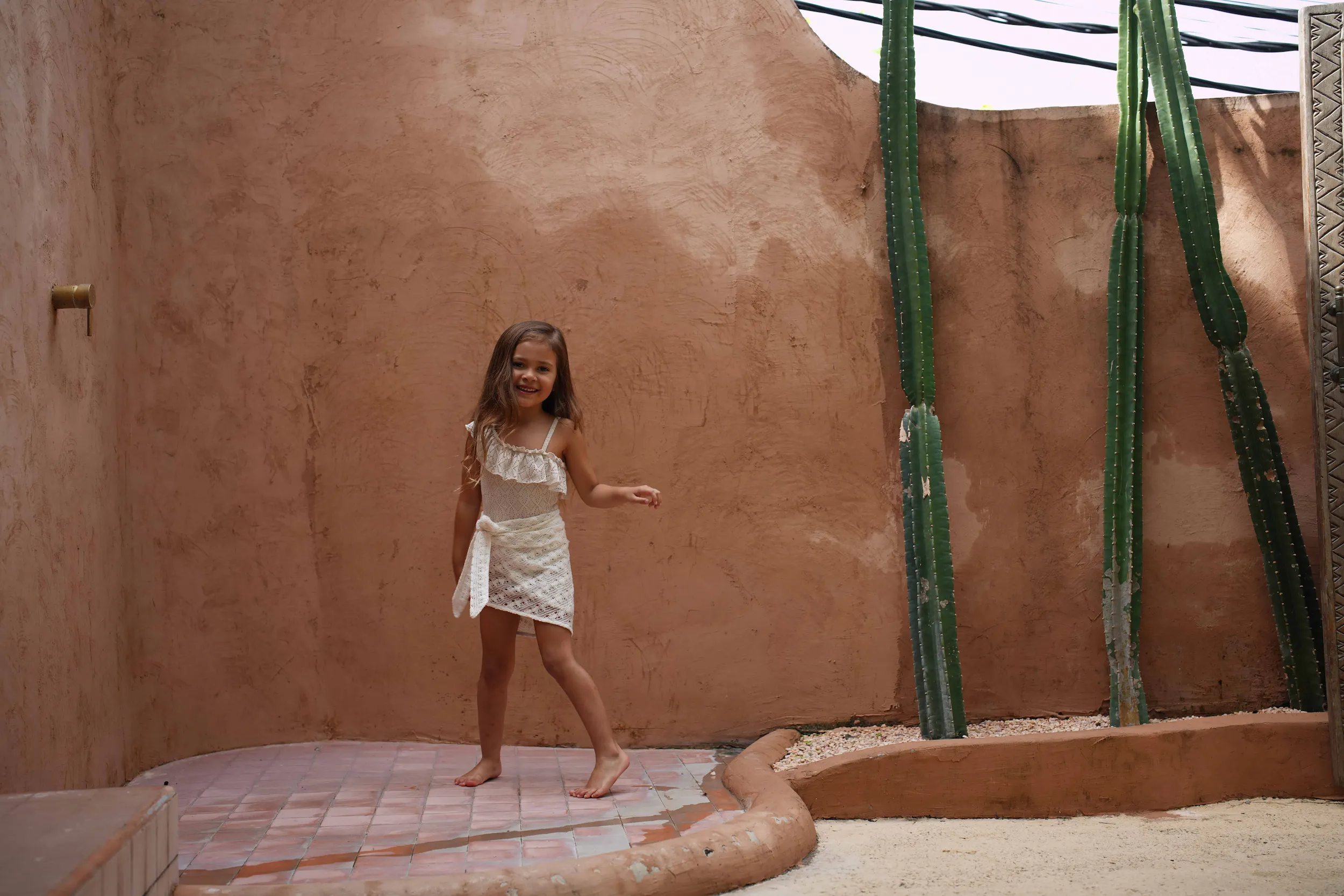
The tourism brands that are building long-term audience trust in this environment are the ones investing in relationships with creators who bring real lives to the work. Not influencers performing travel — families actually living it. The content that comes from that arrangement is not just more authentic. It is more useful. It answers the questions real guests have, from the perspective of real people who were there.
If you are considering AI imagery as a cost-saving measure for your destination's marketing, we would ask one question: what is the cost of a guest who arrives expecting the image and finds the reality? Authenticity, it turns out, is not a nice-to-have. It is the product.